



YEOVILTON LIFE: Farewell steadfast friend – Maritime Lynx passes into history
THE Royal Navy has bid goodbye to the long-serving Lynx helicopter with praise from Britain’s two most senior sailors.
The Lynx helicopter - mainstay of operations by Royal Navy around the globe since the late 1970s - has retired from service after just short of half a million hours in skies, from the searing heat of Iraq and the Gulf, to the punishing cold of Antarctica and the South Atlantic.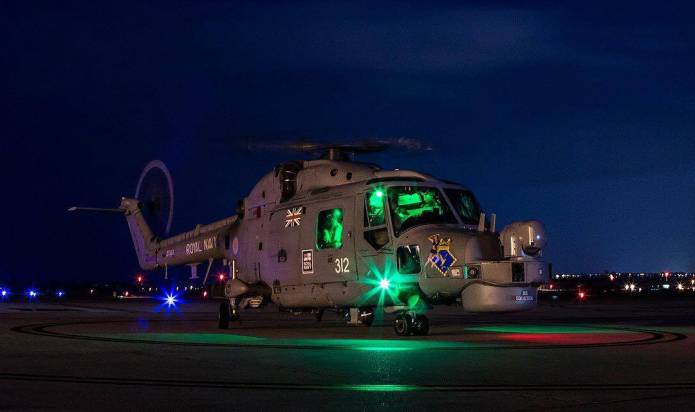
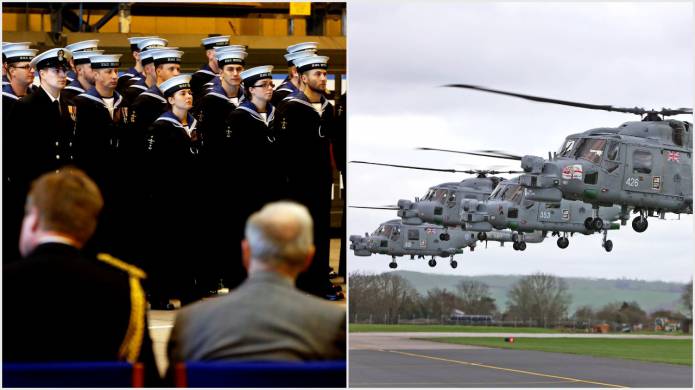
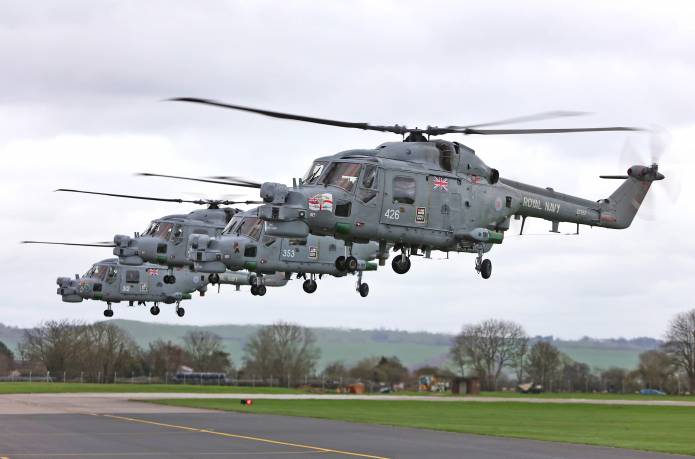
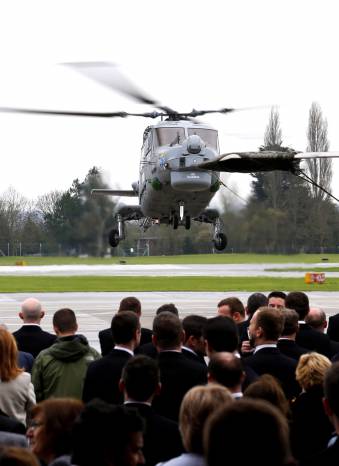
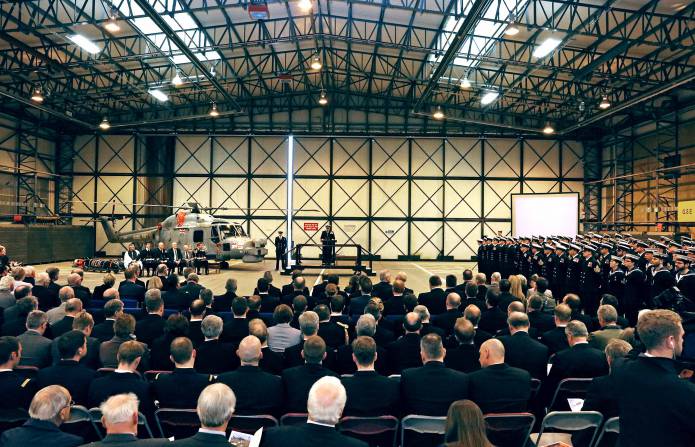
After a farewell flypast by four of the final variants of the helicopter around southern England last week, the formal act of a decommissioning the Lynx - which began to take shape back in 1963 - took place at Royal Naval Air Station Yeovilton in Somerset, just a few miles from its birthplace at Yeovil’s Westland works - today known as Leonardo on Thursday (March 23, 2017).
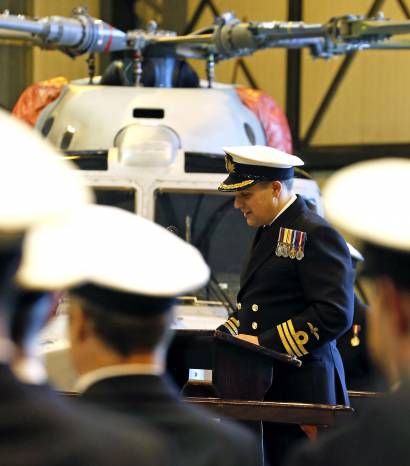
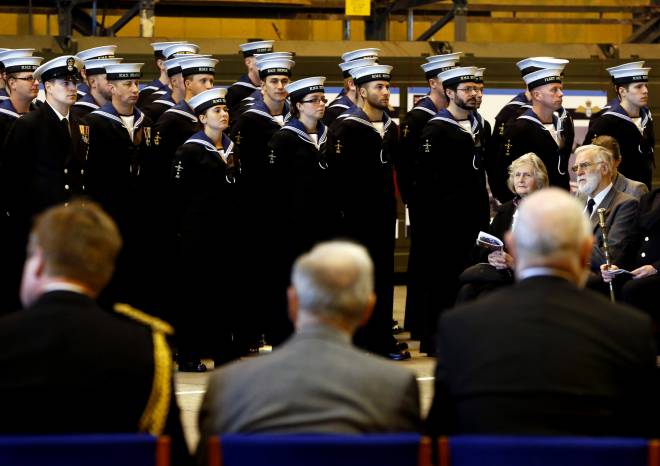
Former air and ground crew, doyens of the Fleet Air Arm, friends, family and personnel of 815 Naval Air Squadron - gathered to hear the final commanding officer of a Naval Lynx formation.
Commander Phil Richardson said: “We intend to give the Lynx the farewell it deserves. “It is with celebration of this aircraft tinged with sadness that the Fleet Air Arm says goodbye to a trusted aircraft. Farewell Lynx you will be missed!”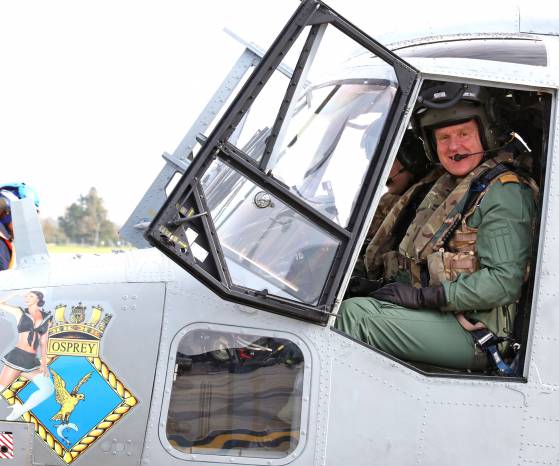
The Lynx has been the cornerstone of frigate and destroyer operations and not just the Royal Navy; its successful design and potent firepower meant fleets around the world snapped it up.
It was armed with Sea Skua anti-ship missiles in the Falklands conflict 35 years ago and in the Iraq Conflict. Lynx has also been repeatedly instrumental in drug seizures by the Royal Navy in the Caribbean and Indian Ocean, supported disaster relief operations from the Gulf of Mexico to the Philippines, carried out rescue missions, and helped with scientific research on the frozen continent.
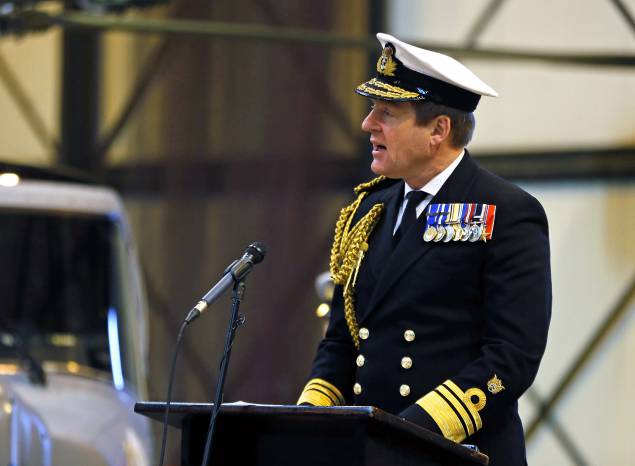
Guest of honour at the aircraft’s decommissioning was Fleet Commander - and Lynx Observer responsible for navigation, sensors and weapon systems - Vice Admiral Ben Key, passed on the thanks of First Sea Lord Admiral Sir Philip Jones to the audience.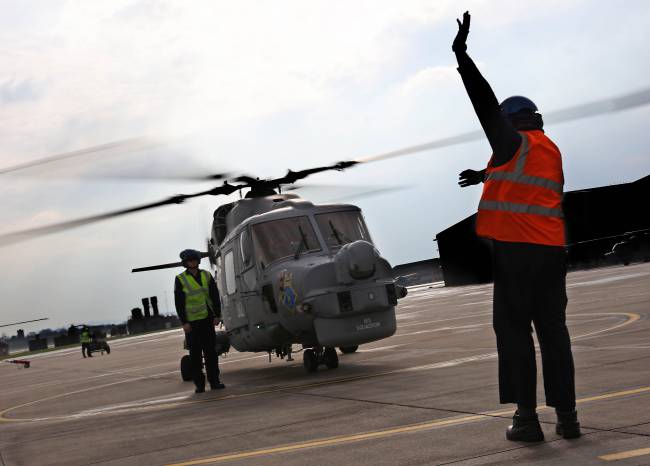
“Whether painted green or grey - or for those of you, like me, old enough to remember – blue - the Lynx has served our nation with distinction in times of conflict, proving itself to be as fierce as it was fast,” he said.
“From the South Atlantic to Afghanistan, from the Adriatic to the Gulf, the Lynx has been an essential element of our power projection.
“I will never forget my own experience as captain of HMS Coventry in 2001 when our Lynx tenaciously pursued a speedboat laden with drugs through the mangrove swamps and cays of Belize for three hours with no thought to their own safety, hauling off only when its quarry was beached and abandoned.”
The First Sea Lord continued: “So it is with a heavy heart that the Royal Navy bids goodbye to a steadfast friend.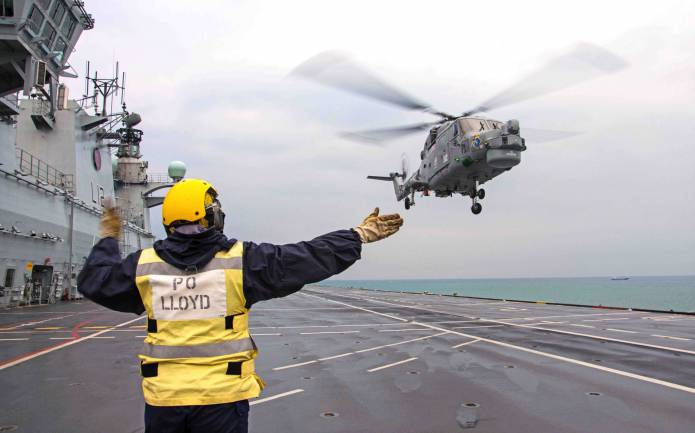
“But we do so in the knowledge that, in the Wildcat, the Fleet Air Arm has a worthy successor and one that is already making its mark on operations today. I congratulate all those who have contributed to this seamless transition.
“The story of the Lynx is more than that of a machine. It’s about generations of men and women who dedicated their careers to design, build, train, operate and maintain these aircraft, and all those who supported them, at Portland, at Yeovilton, around the UK and across the globe.
“The Royal Navy will not forget your technological and operational accomplishments, and the standards and reputation established by the Lynx Force will continue to guide the Wildcat Force, and indeed the Fleet Air Arm, as we enter a new era of maritime aviation.”
The Admiral signed off with the Royal Navy’s traditional signal for a job well done: BZ and thank you.
Guests were treated to a solo Lynx flying display before the final operational Lynx was readied for its last mission.
With Vice Admiral Key at the controls, it headed for the UK’s flagship HMS Ocean off the Cornish coast to welcome her back after a six-month deployment - and perform the final Lynx deck landing in the process. Late last night in the pitch black of a Somerset spring night, the helicopter, tail number ZF563 - the very last Lynx to roll off the Westland production line for the Royal Navy back in 1988 - safely returned to base.
Mission complete……..
PHOTOS: Courtesy of RNAS Yeovilton.
Tags:
News.
Recent Posts
 ILMINSTER NEWS: Coffee morning raises an amazing amount of money!
 ILMINSTER NEWS: Actor James Purefoy to switch-on Ilminster’s Christmas lights
 Coronation of King Charles III
 RIP Queen Elizabeth II – who served the UK and Commonwealth with such distinction
 ILMINSTER NEWS: We must all keep the community spirit shining bright in Ilminster
 ILMINSTER NEWS: More 20mph speed limit signs are needed in town centre say residents
 ILMINSTER NEWS: Organ concert at The Minster will be one not to be missed
 ILMINSTER NEWS: Cash point explosion rocks Ilminster town centre
 ILMINSTER NEWS: Swanmead headteacher devastated at council’s decision
 ILMINSTER NEWS: Council makes “significant milestone” for education future
 ILMINSTER NEWS: Swanmead governors are shocked and angry over planned education changes
 COMPETITION: Sophy’s great New Year giveaway competition
 SOUTH SOMERSET NEWS: Julie remembers the Munich tragedy of the Busby Babes
 ILMINSTER NEWS: Have YOUR say NOW on controversial school changes
 ILMINSTER NEWS: Council ploughing ahead with controversial school changes